
Cross-Border E-commerce: A Comprehensive Guide for Businesses
Nội dung
- 1 Cross-Border E-commerce: A Comprehensive Guide for Businesses
- 1.1 What is Cross-Border E-commerce?
- 1.2 Who Benefits from Cross-Border E-commerce?
- 1.3 When is the Right Time to Enter Cross-Border E-commerce?
- 1.4 Where to Start with Cross-Border E-commerce?
- 1.5 How to Optimize Your Cross-Border E-commerce Strategy?
- 1.6 Challenges of Cross-Border E-commerce
- 1.7 Tools and Technologies for Cross-Border E-commerce
- 1.8 Examples of Successful Cross-Border E-commerce Companies
- 1.9 Conclusion
Cross-border e-commerce, the sale of goods and services across international borders via online platforms, presents tremendous opportunities for businesses of all sizes. This guide explores the intricacies of this dynamic market, providing actionable insights and practical strategies to help you succeed in the global arena.
What is Cross-Border E-commerce?
Cross-border e-commerce (CBEC) refers to the buying and selling of products or services online between businesses or between businesses and consumers located in different countries. It transcends geographical boundaries, allowing businesses to reach a wider customer base and consumers to access a greater variety of products.
Why is Cross-Border E-commerce Important?
- Expanded Market Reach: Access millions of potential customers beyond your domestic market.
- Increased Revenue: Boost sales and profitability by tapping into new revenue streams.
- Brand Building: Enhance brand awareness and recognition on a global scale.
- Competitive Advantage: Differentiate yourself from competitors by offering unique products or services.
- Diversification: Reduce reliance on a single market and mitigate economic risks.
Who Benefits from Cross-Border E-commerce?
- Small and Medium-Sized Enterprises (SMEs): CBEC provides SMEs with a cost-effective way to expand their reach and compete with larger businesses.
- Large Enterprises: CBEC enables large enterprises to optimize their global operations and serve customers in new markets more efficiently.
- Consumers: CBEC offers consumers access to a wider selection of products at competitive prices.
When is the Right Time to Enter Cross-Border E-commerce?
There’s no one-size-fits-all answer, but consider these factors:
- Domestic Market Saturation: If your domestic market is reaching its saturation point, CBEC can provide new growth opportunities.
- Product Demand in Foreign Markets: Research whether there is demand for your products or services in specific foreign markets.
- Competitive Landscape: Assess the competitive landscape in target markets and identify potential opportunities.
- Resource Availability: Evaluate your company’s resources, including personnel, budget, and infrastructure, to ensure you can support CBEC operations.
Where to Start with Cross-Border E-commerce?
- Market Research: Conduct thorough market research to identify promising target markets. Analyze factors such as market size, consumer preferences, cultural nuances, and regulatory requirements.
- Target Audience Identification: Define your ideal customer profile in each target market. Understand their needs, preferences, and buying behaviors.
- Platform Selection: Choose the right e-commerce platform to support your CBEC operations. Consider factors such as scalability, multi-language support, payment gateway integration, and shipping options. Popular options include:
- Localization: Adapt your website, product listings, and marketing materials to the local language and culture. This includes translating content, using local currency, and adapting to local customs.
- Payment Gateway Integration: Integrate with reliable payment gateways that support multiple currencies and payment methods. Consider popular options such as PayPal, Stripe, and Worldpay.
- Shipping and Logistics: Develop a comprehensive shipping and logistics strategy to ensure timely and cost-effective delivery to customers in foreign markets. Partner with reputable shipping carriers and consider offering multiple shipping options.
- Legal and Regulatory Compliance: Comply with all applicable legal and regulatory requirements in each target market. This includes customs regulations, tax laws, and consumer protection laws.
- Customer Service: Provide excellent customer service in the local language. This includes responding to inquiries promptly, resolving issues effectively, and offering support through multiple channels.
How to Optimize Your Cross-Border E-commerce Strategy?
- SEO Optimization: Optimize your website and product listings for search engines in target markets. Use relevant keywords in the local language.
- Social Media Marketing: Leverage social media platforms to reach potential customers in foreign markets. Create engaging content that resonates with the local culture.
- Email Marketing: Build an email list and send targeted email campaigns to customers in target markets. Offer exclusive deals and promotions to incentivize purchases.
- Influencer Marketing: Partner with local influencers to promote your products or services.
- Mobile Optimization: Ensure your website is mobile-friendly to cater to the growing number of mobile shoppers.
- Data Analytics: Track and analyze your CBEC performance to identify areas for improvement. Use data-driven insights to optimize your marketing campaigns and improve customer experience.
Challenges of Cross-Border E-commerce
- Language Barriers: Communicating with customers in different languages can be challenging. Consider hiring multilingual staff or using translation services.
- Cultural Differences: Understanding cultural nuances and adapting your marketing messages accordingly is crucial.
- Payment Processing: Accepting payments in multiple currencies can be complex. Integrate with reliable payment gateways that support multiple currencies.
- Shipping and Logistics: Shipping goods across borders can be expensive and time-consuming. Develop a comprehensive shipping and logistics strategy.
- Customs and Regulations: Navigating customs regulations and complying with local laws can be challenging. Consult with legal and customs experts.
- Returns and Refunds: Handling returns and refunds from international customers can be complicated. Develop a clear returns policy and streamline the returns process.
- Fraud Prevention: Protecting your business from fraudulent transactions is essential. Implement fraud prevention measures such as address verification and card verification value (CVV) checks.
Tools and Technologies for Cross-Border E-commerce
- E-commerce Platforms: Shopify, BigCommerce, Magento
- Payment Gateways: PayPal, Stripe, Worldpay
- Shipping Carriers: DHL, FedEx, UPS
- Translation Services: Google Translate, DeepL
- Currency Conversion Tools: XE.com, OANDA
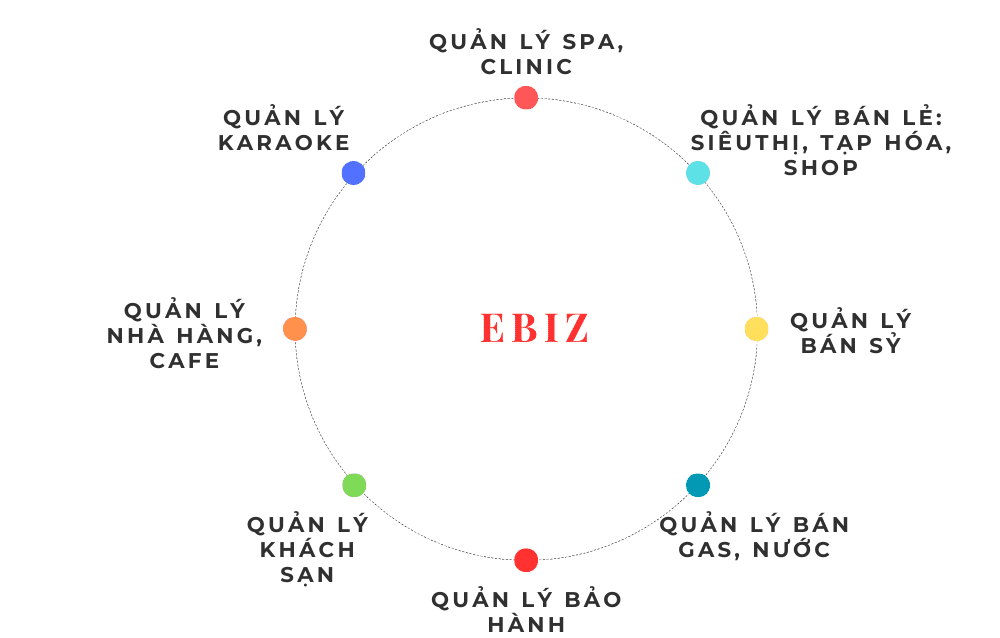
- Ebiz: A comprehensive retail management software that can help streamline various aspects of your cross-border e-commerce operations, including inventory management, order processing, and customer relationship management. Ebiz offers tools to manage multi-currency transactions and integrate with various payment gateways, making it a valuable asset for businesses expanding internationally.
Examples of Successful Cross-Border E-commerce Companies
- ASOS: A UK-based online fashion retailer that ships to over 200 countries.
- Zalando: A German online fashion retailer that operates in 17 European countries.
- Amazon: A global e-commerce giant that operates in numerous countries worldwide.
Conclusion
Cross-border e-commerce offers tremendous opportunities for businesses to expand their reach and grow their revenue. By understanding the intricacies of this dynamic market and implementing effective strategies, you can unlock the potential of global markets and achieve sustainable success.
Ready to take your business global? Start exploring cross-border e-commerce today!
Visit our store to find the perfect tools for your business:
https://www.phanmempos.com/cua-hang
Bài viết liên quan

Khám Phá Toàn Diện Các Loại Mô Hình Kinh Doanh B2C: Từ Cơ Bản Đến Chiến Lược Tiên Tiến

Bí Quyết Kinh Doanh Online Đột Phá: Từ Khởi Nghiệp Đến Thành Công Bền Vững
Giải Pháp Quản Lý Nhà Sách Toàn Diện: Bí Quyết Tối Ưu Hóa Vận Hành Và Gia Tăng Doanh Thu
Hệ Thống Quản Lý Spa Toàn Diện: Bí Quyết Vận Hành Tinh Gọn và Tối Đa Hóa Lợi Nhuận